
Wisdom, Wellness and Womanhood
Welcome to the Matter of Clarity blog - your space for inspiration, support and grounded guidance.
Here I share honest reflections, holistic health tips and empowering resources to help you make sense of your body, mind and emotions at every stage of life
From navigating perimenopause to reclaiming rest, you'll find thoughtful content designed to educate, encourage and connect.
The Fibre Factor: Supporting Gut Health Naturally
Carbs & Fibre – Are they the same?
Although carbohydrates and fibre are related, they are not the same. This week I thought we would take a closer look at fibre and why it is important to our health.
There are 3 main types of carbohydrates
Simple Carbohydrates (Sugars) – table sugar, honey, fruit sugars, sweets
Complex Carbohydrates (Starches) – oats, rice, potatoes, beans
Fibre – A type of carbohydrate that cannot be fully digested – sources are vegetables, wholegrains, seeds, fruit skins, pulses
Carbohydrates are one of our body’s main sources of energy. They are found in foods like bread, pasta, potatoes, fruit, milk, sweets etc. Simple and Complex carbohydrates are broken down into glucose for energy.
Fibre is also a carbohydrate, but sugars and starches it is not broken down into glucose for energy in the same way. Fibre supports our body in a number of ways, of course it helps with digestion and prevents constipation, but other benefits include:
Weight loss and metabolism
Appetite regulation
Blood glucose and insulin balance
Supports a healthy gut microbiome
Supports cardiovascular health and cholesterol balance
Has anti-inflammatory effects
Hormone balance
Mental health
Reduced risk of colorectal cancer
Fibre is broken down into insoluble fibre and soluble fibre.
Insoluble fibre
Insoluble fibre is the indigestible parts of plants, such as the outer husks of wholegrains and seeds and is also in the skins of fruit and vegetables. Insoluble fibre works in our digestive tract, helping to keep things regular for the smooth running of digestion. It keeps the bowel moving and prevents constipation as it adds bulk to the stool and stimulates peristalsis (a wave like muscular contraction that moves food through the digestive tract).
Soluble Fibre
Soluble fibre is found in fruits and vegetables, beans, lentils, oats, nuts and seeds. It is water soluble and forms a gel like substance in the gut. This helps support blood sugar balance, appetite regulation, weight management, cholesterol levels, hormone balance and immune regulation and a healthy gut microbiome.
Our gut microbiome relies on a healthy supply of soluble fibre as it enables the good gut bacteria to work and produce short chain fatty acids which have an important role in our digestive health and immune system.
Most of us do not eat enough fibre, it is recommended that we have 30g of fibre in our diet a day. Choosing carbohydrates that naturally contain fibre is important and this is done by choosing wholefoods and seeds as they contain both soluble and insoluble fibres.
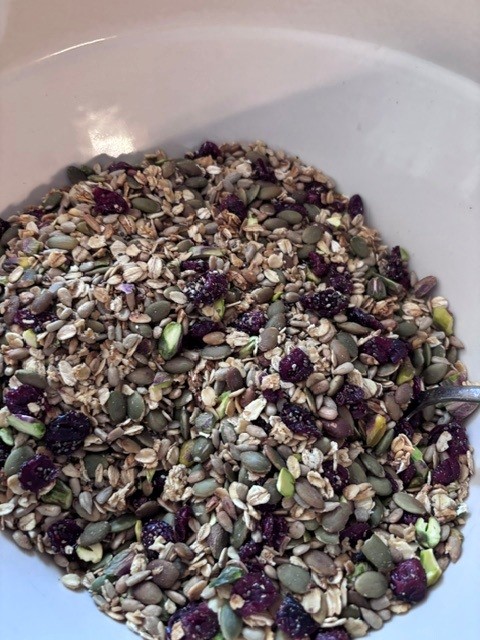
Perhaps keep a jar of milled seeds (I keep a jar of milled seeds to sprinkle into yogurt, overnight oats and salads. Mine includes flax, hemp, chia, sunflower and pumpkin seeds) as it is to hand. You can also add beans or lentils to your soups, curry or salads.
A word of advice though, fibre is fermented in the gut and if you suddenly increase your intake it can cause gas, wind, bloating or give you a tummy ache. Those with IBS or other digestive issues need to be mindful.
To minimise this, I would suggest that you:
Increase fibre slowly and gently
Start with seeds and choose milled over whole
Steamed or cooked vegetables can be easier
Drink plenty of water. Fibre needs water to work.
Those with digestive problems such as IBS, diverticulitis and IBD or who have had bowel surgery need to be very mindful of increasing their fibre intake and you should consult with your medical practitioner.
Disclaimer:
The information shared in this article is intended for educational and informational purposes only and is not a substitute for professional medical advice, diagnosis, or treatment.
As a naturopathic nutritionist and holistic therapist, I support a whole-body approach to health and wellbeing. However, any decisions regarding medications, including GLP-1 treatments, should be made in consultation with your GP or qualified healthcare provider.
Individual needs can vary, particularly during perimenopause and menopause, and it is important to seek personalised medical guidance before making changes to your health, nutrition, or treatment plan.
If you have concerns about your health, symptoms, or medications, please speak directly with your healthcare provider


FREE DOWNLOAD
Transform your Journey
Let's create a life filled with vitality, balance and joy through holistic wellness and self-care
© Copyright 2026 Matter of Clarity - Privacy Policy - Terms & Conditions